
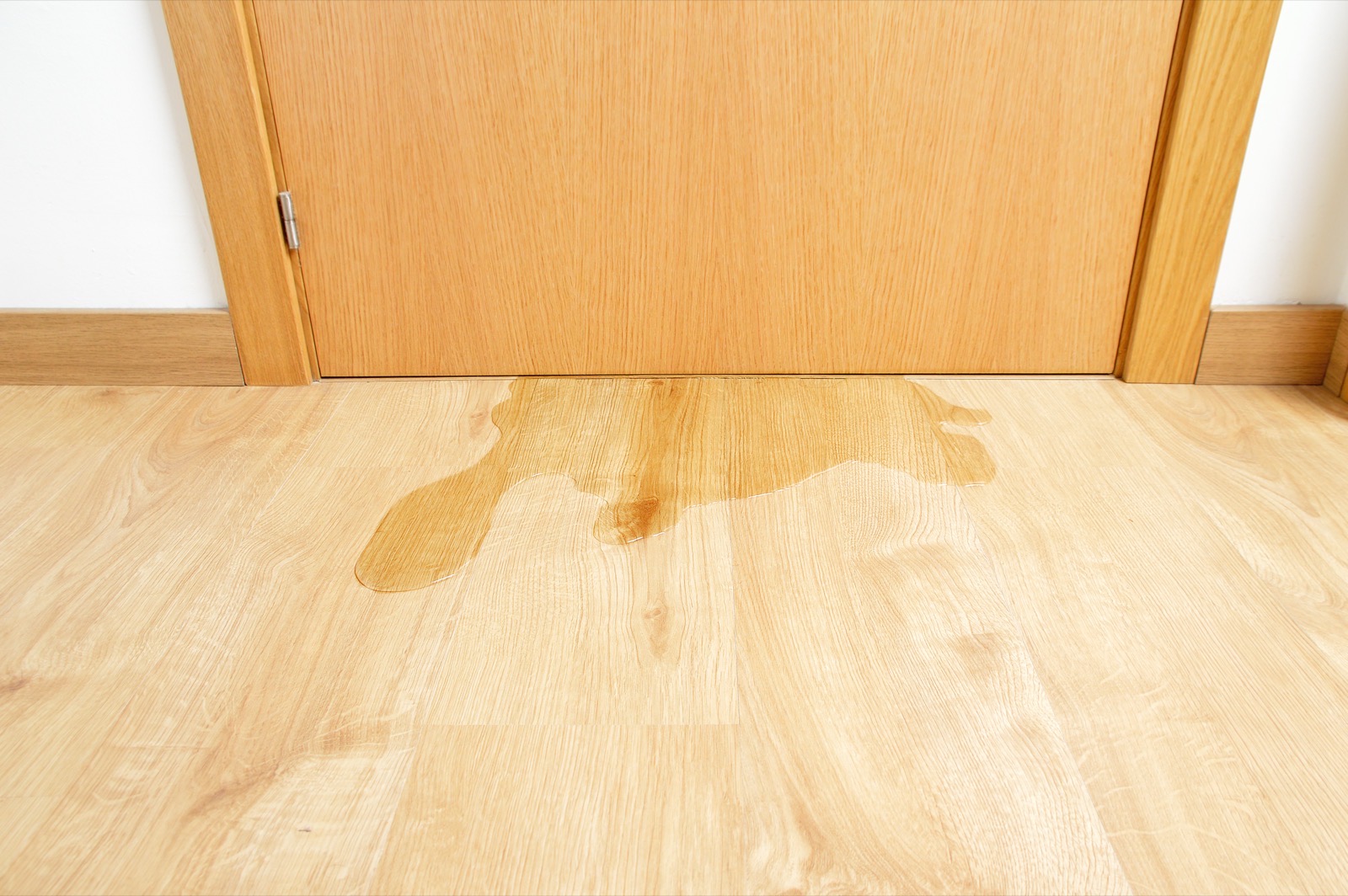
What to Do About Water Damage on Hardwood Floors
Water damage to hardwood floors is fixable if you act in the first 48 hours. Waiting longer stacks the odds against you.
When water reaches your floor, time matters. The first 24 hours determine whether the floor can be dried back to stability or whether permanent cupping, staining, and mold growth are inevitable.
First hour priorities
Stop the water source first. Is the leak from above, below, or from standing water on the surface? Turn off water to the area if it's a plumbing leak. If the damage is from flooding or a burst pipe, shut off the main water valve. If it's a roof leak, address it immediately or the water will keep coming.
Check for electrical hazards. If the damage is near outlets, switches, or appliances, shut off power to that area. Water and electricity are a serious safety issue.
Protect adjacent rooms from spread. Close doors and move items away from the water's path. Take photos of the wet area and the source of the water. Include time stamps. Documentation helps with insurance claims and gives your contractor a clear picture of what happened.
First six hours
Remove standing water with towels, mops, or a wet vacuum. Don't use a regular shop vac. Use a wet/dry vacuum that's designed for this. Move quickly but carefully to avoid spreading contamination if the water is from sewage, appliances, or other dirty sources.
Turn on fans to increase airflow across the wet floor. Open windows if the outdoor air is dry. Keep the HVAC system running at normal settings. Don't turn it off, and don't crank the heat aggressively. Rapid drying can cause checking and cupping because the surface dries much faster than the interior of the boards.
Start a dehumidifier if you have access to one. Run it continuously for the first 24 hours. Keep doors open between rooms so the dehumidifier can work across the entire affected area.
Do not steam clean the floor. Do not use a mop and bucket to wash the area. Do not apply oils, sealers, or any finishes while the wood is wet. All of these actions trap water in the wood or make the situation worse. Do not pull boards without a professional plan. Ripping out damaged boards before knowing the full extent of the damage can make restoration harder.
First 24 hours
Take moisture readings in the affected wood and subfloor using a moisture meter. Compare the wet areas to unaffected areas. This tells you whether the floor is still absorbing moisture or starting to dry. If the affected area reads 15% and the rest of the floor reads 9%, the wood is still saturated. If the difference is narrowing, the drying is working.
Monitor indoor humidity and temperature. Note these readings every 4 to 6 hours. Stable conditions (around 50% relative humidity and 70 degrees Fahrenheit) are ideal for controlled drying. Unstable conditions make it harder to predict outcomes.
Assess the water source. Is it clean water from a burst pipe, or contaminated water from a dishwasher, toilet, or flood? Contaminated water poses health risks and may require removal of affected materials.
Severity indicators
The severity of the damage depends on several factors: how long the water sat, the type and volume of water, whether it reached the subfloor, and whether boards are cupped or peaked.
Minor events are usually short duration (less than a few hours), from clean water sources, and limited to the top boards. Minor damage can often dry successfully without board replacement.
Major events are long duration (more than 24 hours), from dirty sources, with large volumes of water reaching the subfloor and multiple boards cupped or peaked. Major damage often requires board replacement or new hardwood installation.
Listen to the boards. If they make popping or cracking sounds, the wood is stressed. Stress usually means checking and permanent damage.
Professional assessment within 48 hours
Call a hardwood contractor to inspect and meter the floor within 24 hours. A professional can identify the full extent of the damage, document it for insurance, and create a drying and repair plan.
Controlled drying takes time. The contractor may recommend removing a few boards to improve airflow underneath. This doesn't mean the entire floor is ruined. It's a triage step to preserve the rest.
The contractor will check whether the subfloor is wet. If the subfloor has absorbed significant moisture, it may need to be replaced or reinforced before new hardwood is installed. A wet subfloor under a new floor is a setup for cupping and failure later.
Timing is critical for preventing mold. If the affected area isn't dried within 48 hours, mold spores may begin growing. Mold growth creates health risks and can spread under the floor where it's not visible.
Decision point
After 48 hours of documented measurements and drying efforts, your contractor can tell you whether the floor is on a trajectory to recover or whether it's heading toward permanent damage.
If moisture readings are dropping and boards are flattening, continued controlled drying over the next week may save the floor. The contractor may recommend removing isolated damaged boards and replacing them.
If moisture readings are stalled, boards remain cupped or peaked, or mold growth is visible, replacement of the affected section or the entire floor may be the most reliable outcome. A floor that's been severely damaged and then dried is often unstable or harbors hidden mold growth.
Insurance and claims
Document everything with photos and notes. Keep a timeline of when the damage occurred, when you discovered it, what steps you took, and who you called. This information helps your insurance adjuster understand the scope of the loss.
Get a written assessment from a professional that identifies the water source, the extent of the damage, and the recommended repair. This assessment becomes part of your claim file.
When to call us
If you have water damage to hardwood floors, call Back to the Wood Floors as soon as you're safe. We can inspect the floor, take moisture readings, and tell you within 24 hours whether the damage is salvageable or whether new hardwood installation is the better path forward. Speed and the right first steps make the difference between a quick fix and a major replacement. We serve Douglas County, including Roseburg. Call immediately.
Ready to transform your floors? Back to the Wood Floors has been serving Douglas County since 1990.
Get a Free Quote See Our Work