Flooring Tips & Guides

Expert advice on hardwood floor care, maintenance, and installation from our team.

Why Do Hardwood Floors Gap Every Winter?

Every fall in Roseburg, the heat kicks on and the same thing happens in houses all over Douglas County. Thin lines open up between hardwood boards. Sometimes you can see the subfloor through them. It looks like something went wrong, but in most cases, it's wood doing what wood do

Read more →
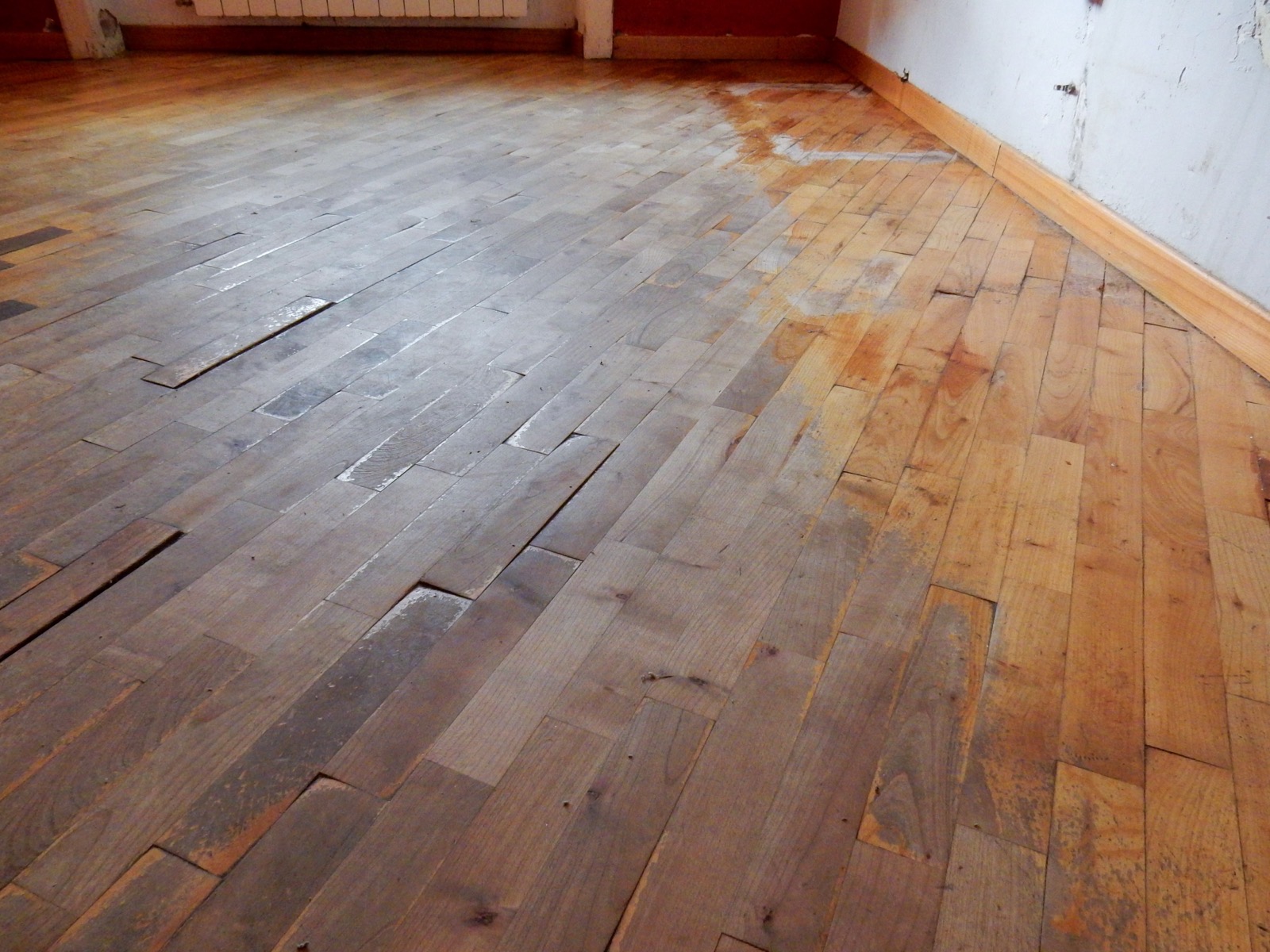
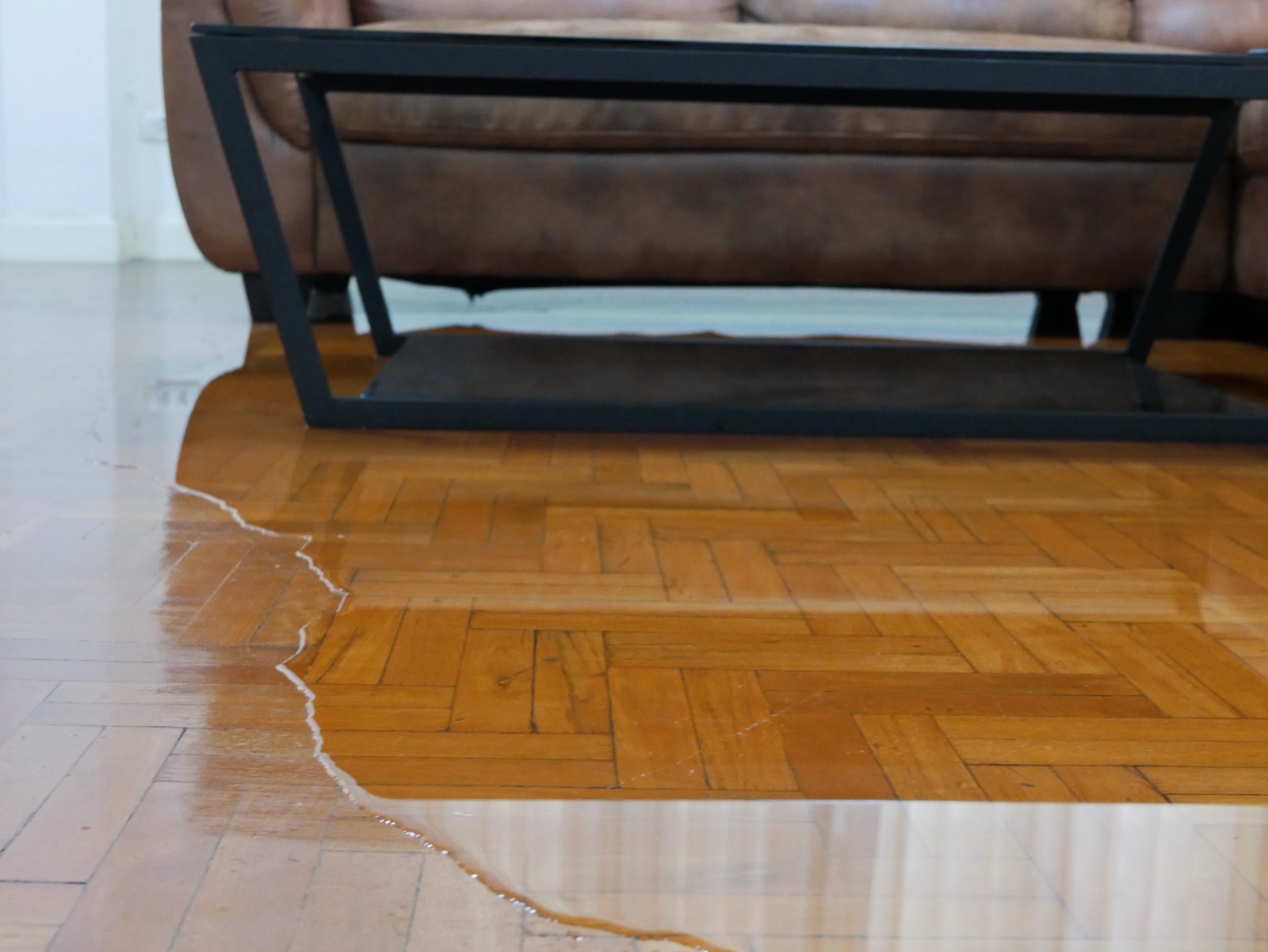
What Causes Hardwood Floor Cupping?

If the edges of your hardwood boards are higher than the centers, that's cupping. Run a straightedge across a few planks and you'll see it clearly: each board dips in the middle like a shallow trough. It's one of the most common hardwood floor problems in Oregon, and it almost al

Read more →

Why Is My Hardwood Floor Buckling?

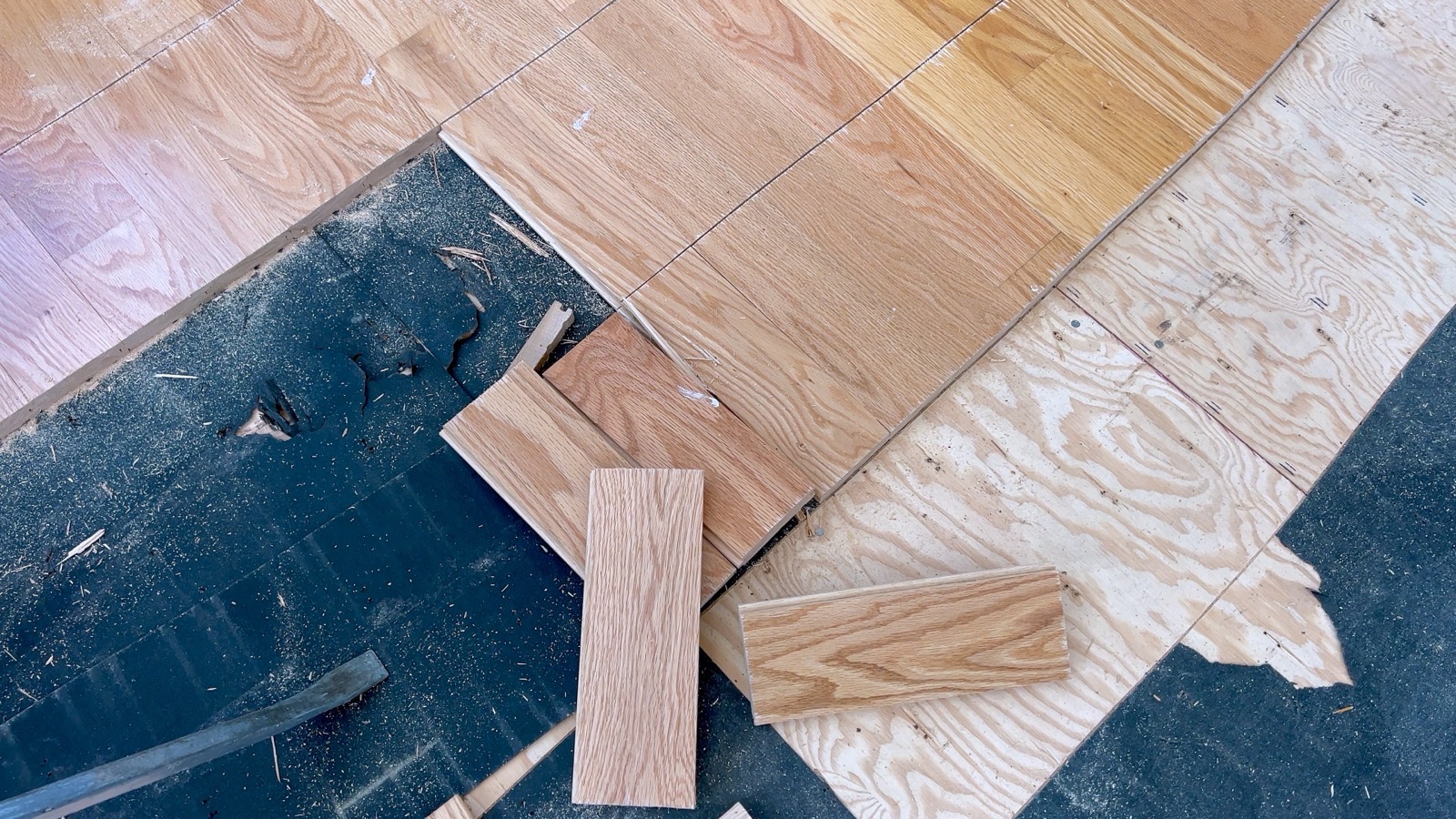
Hardwood boards that lift away from the subfloor create a serious safety hazard and point to significant moisture intrusion. Buckling looks dramatic: planks stand up like tent peaks, sometimes 1/2 inch or more above the surrounding floor. If you see this happening in your Rosebur

Read more →

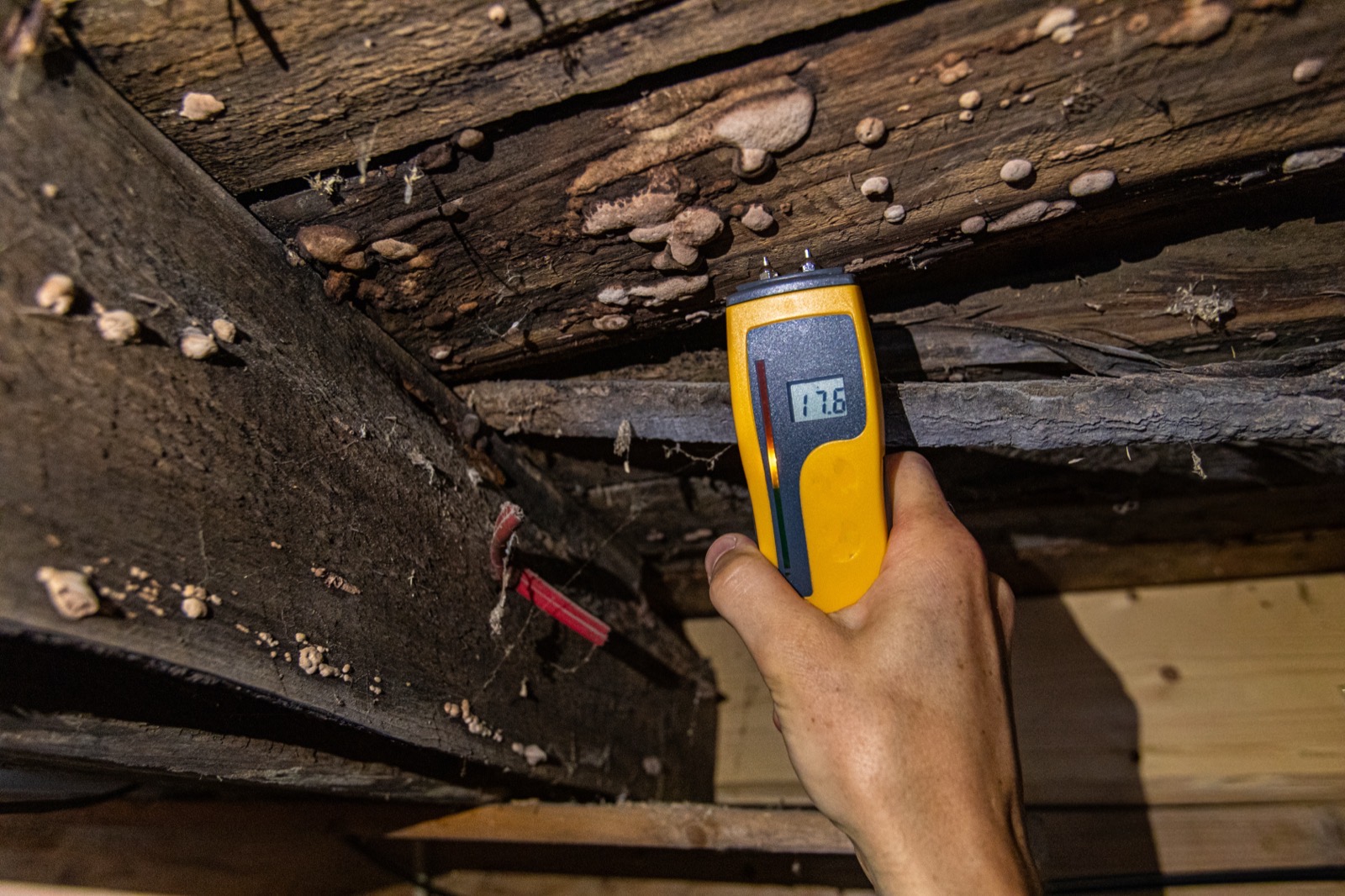
Why We Test Every Subfloor Before We Start

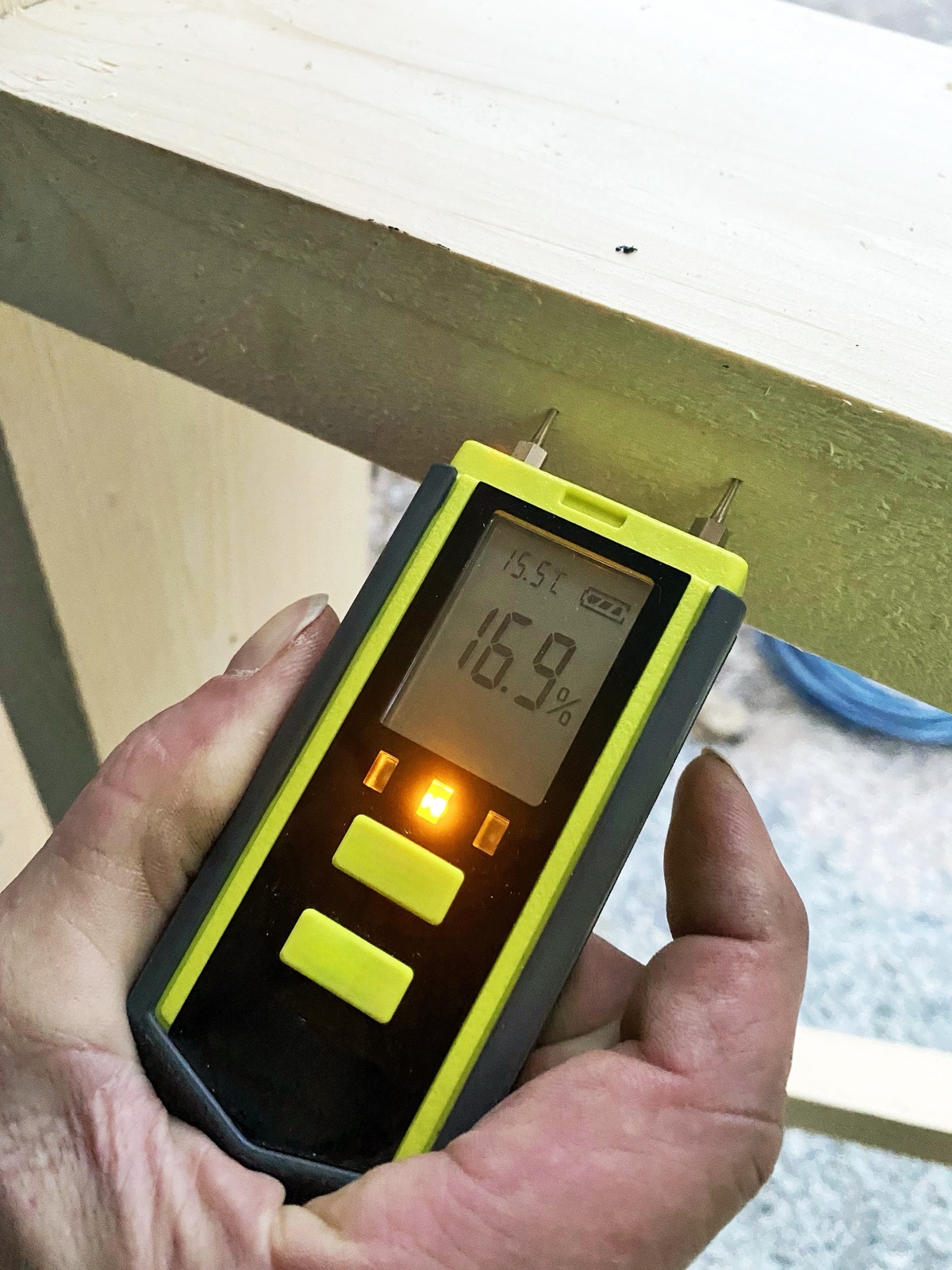
Most hardwood failures trace back to moisture, and the subfloor is the starting point. A beautiful floor installed over a damp subfloor will fail within months or years, no matter how good the boards are. Testing the subfloor before installation is not an optional upsell or a del

Read more →

How Long Does Hardwood Need to Acclimate Before Installing?

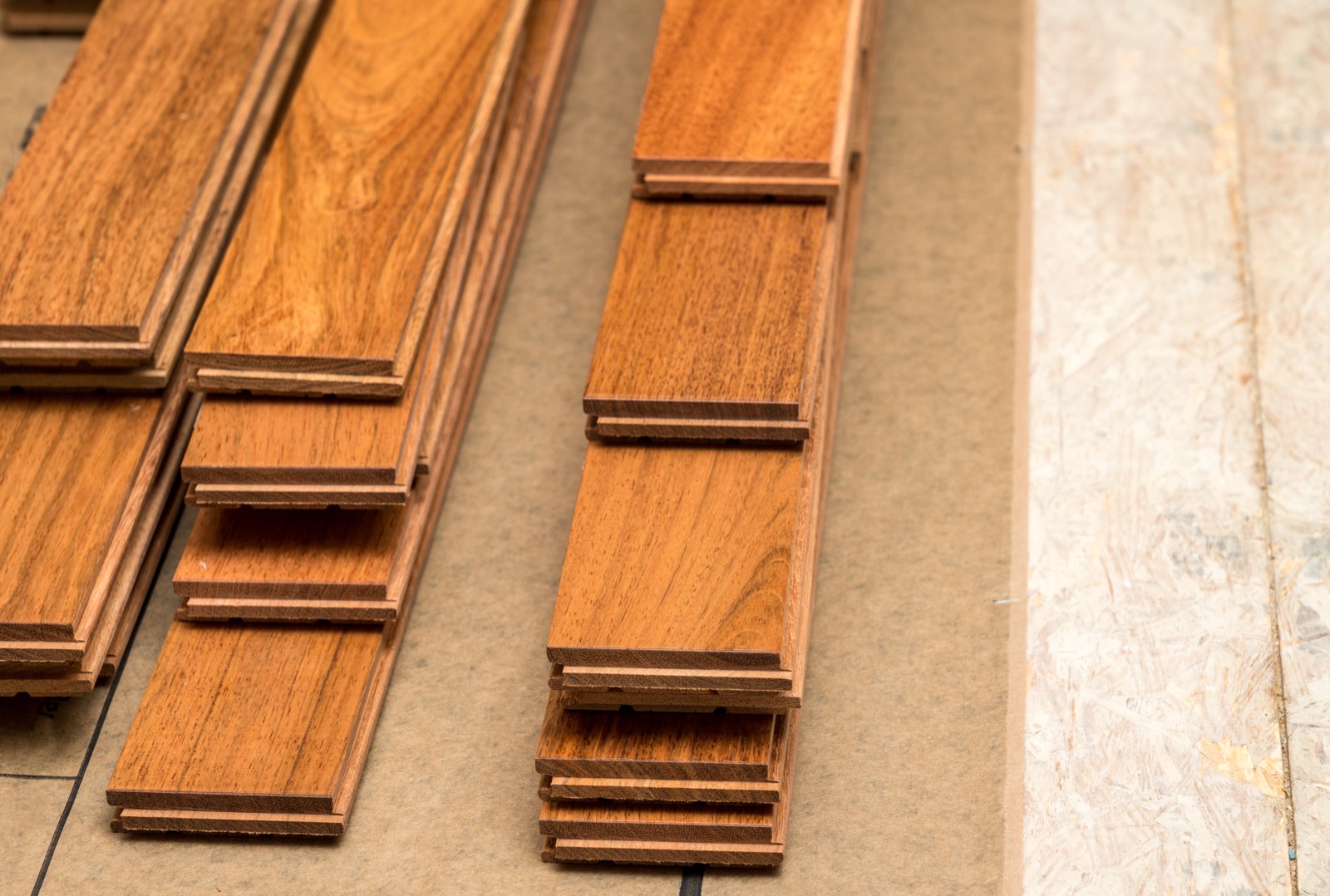
There's no fixed number of days. The common answer of 48 to 72 hours is a myth. Acclimation is the process of hardwood stabilizing its moisture content to match the home it's going into. That can take three days or three weeks depending on the season, the home's HVAC, how the woo

Read more →

Do You Need a Moisture Barrier Under Hardwood?

The answer depends on your subfloor. There's no universal "moisture barrier" that works everywhere. The right choice for concrete is wrong for plywood. A product that works for a nail-down installation fails for glue-down. The barrier placement and type are determined by what's u

Read more →

Putting Hardwood Over Concrete in Roseburg

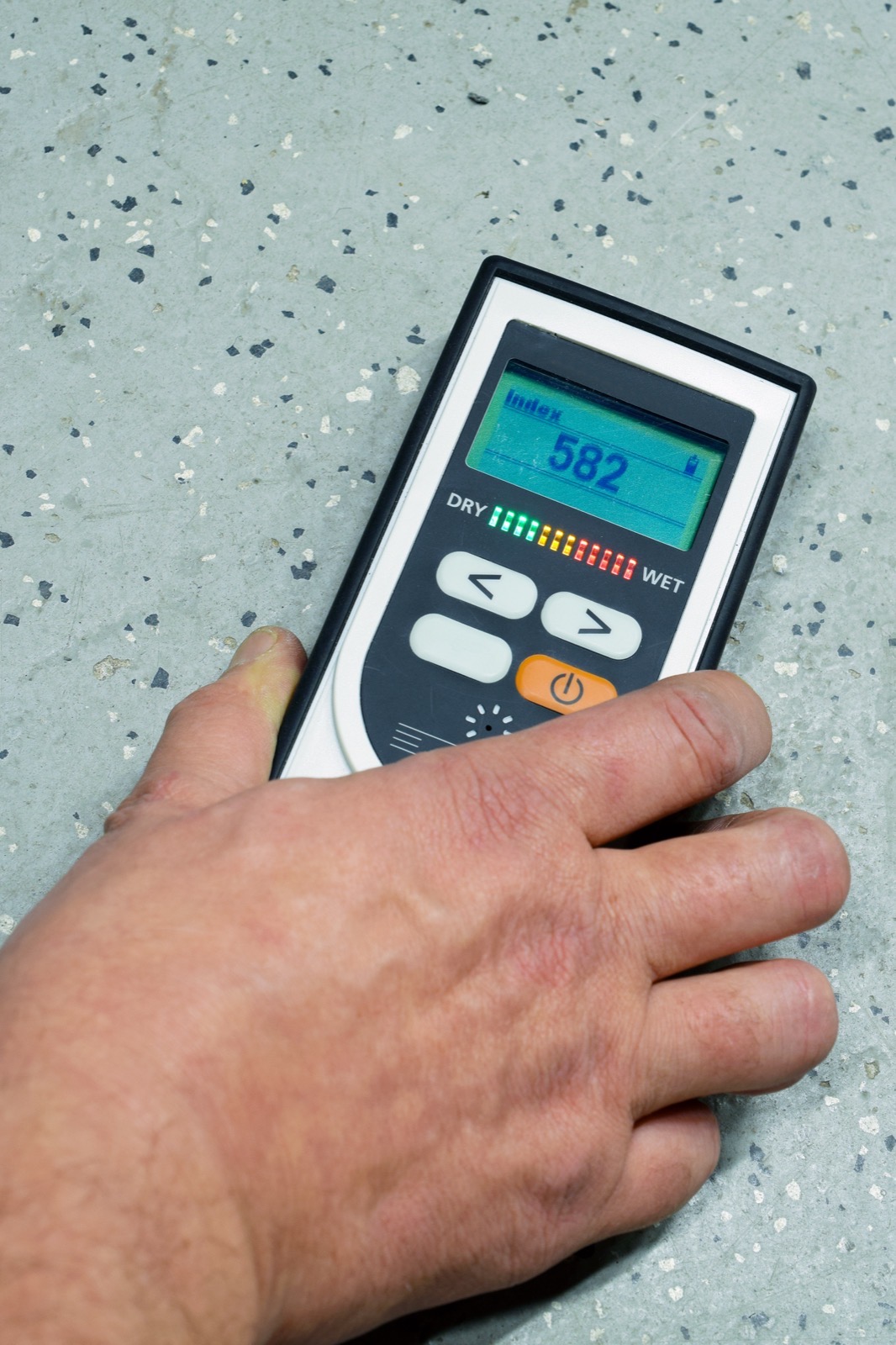
Concrete slabs can be a moisture trap that destroys hardwood floors. A slab that looks and feels dry on the surface can release enough moisture vapor from below to swell hardwood, break down adhesives, and cause cupping and adhesive failure within a year. Hardwood over concrete i

Read more →

That Damp Crawlspace Is Ruining Your Floors

A wet or humid crawlspace is one of the most common sources of hardwood floor problems in Roseburg. The crawlspace air carries moisture upward into the subfloor and the underside of hardwood boards. That moisture makes the bottom of the wood swell while the top dries normally, cr

Read more →

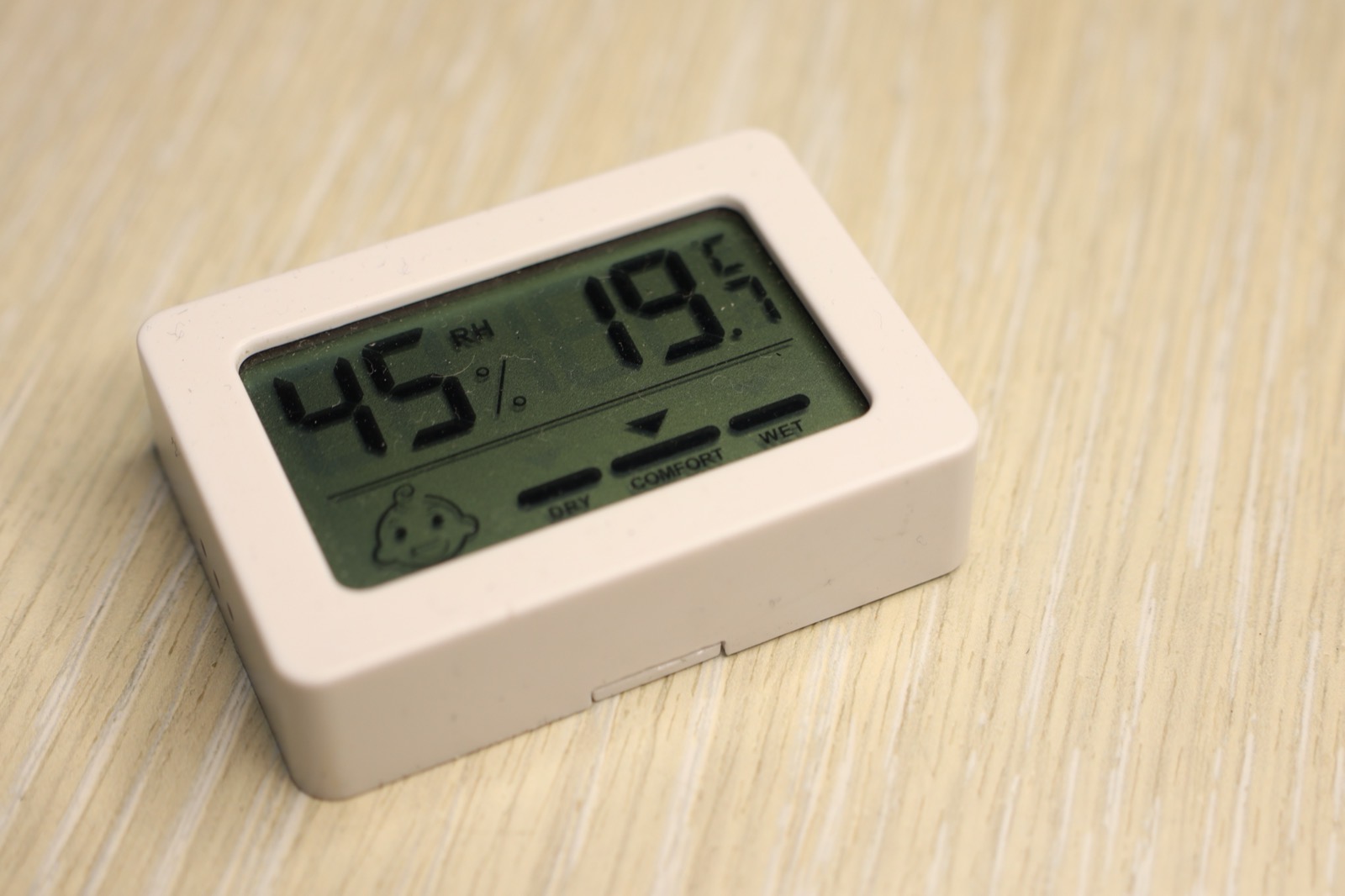
What Humidity Should Your House Be at for Hardwood Floors?

For most hardwood floors, an indoor relative humidity between 35% and 55% is a practical target. More important than hitting a specific number is keeping humidity stable. Swings between 25% and 75% cause hardwood to expand and contract seasonally, creating gaps in winter and cupp

Read more →

Is Your Floor Moving, or Is Something Wrong?

Hardwood floors move. This is not a failure. It's how wood behaves in a living home. Oregon's humid winters and drier summers mean your floors will expand when moisture rises and contract when it drops. The question is not whether movement happens, but whether the movement you're

Read more →