
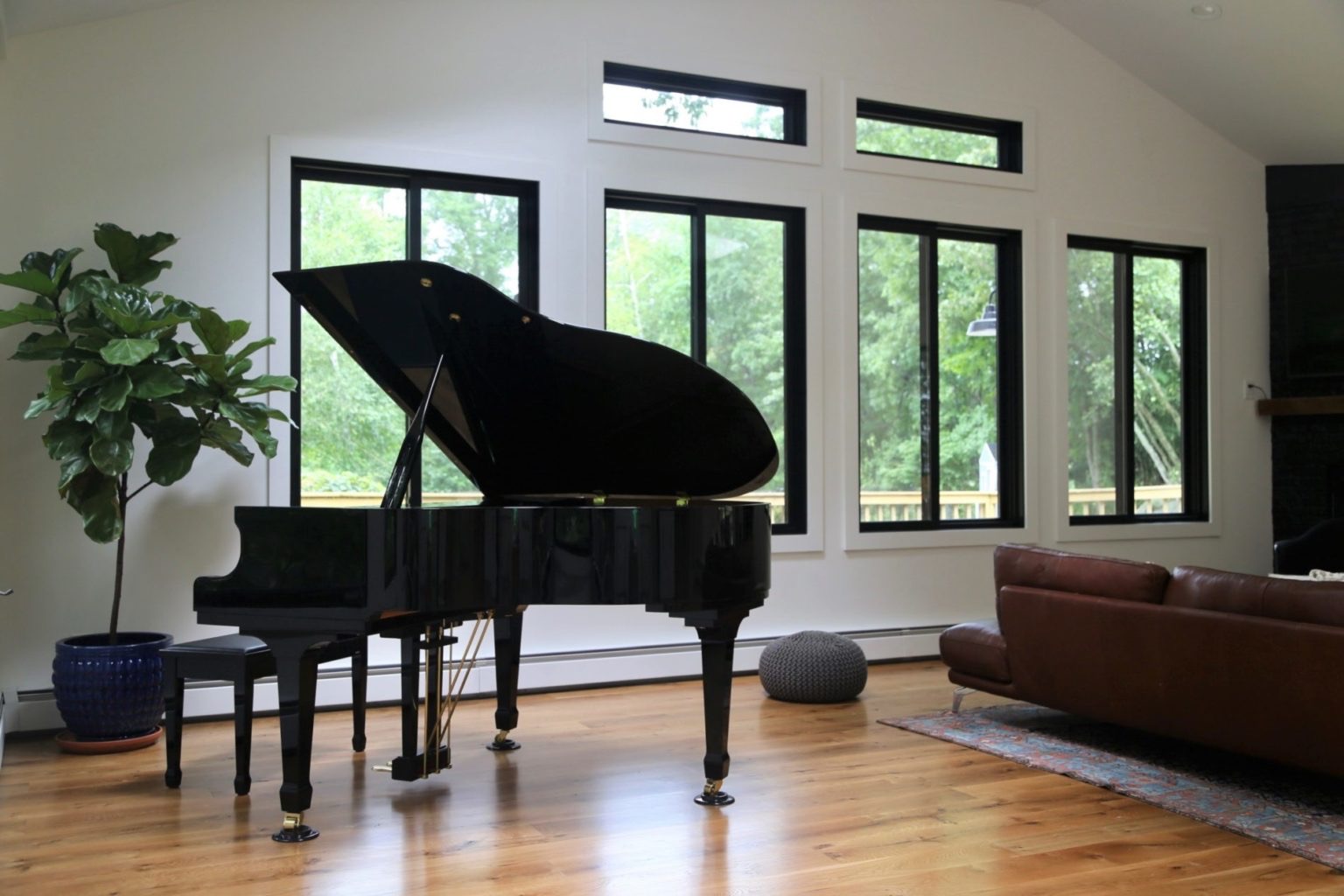
Why Does My Hardwood Floor Squeak?
A squeak is noise from movement and friction. Two surfaces rubbing together under foot traffic create sound. In a hardwood floor, that movement usually starts in the subfloor. A loose panel rocking on a joist, seams between panels flexing, fasteners shifting under load—all of these create friction and noise that transmits up through the hardwood.
A squeaky floor is not just annoying. It's evidence that the subfloor is not stable or not properly fastened. Fixing it means going to the root: the subfloor structure itself. Underlayment and padding can mask the noise temporarily, but they don't solve the problem.
Where the noise comes from
Walk across the floor and listen. Is the squeaking in a specific spot or scattered throughout? Does it change with humidity or season? Does it happen near seams in the subfloor or near walls?
Map where squeaks occur with painter's tape. This tells you whether you're dealing with one weak point or a systemic issue. Bounce lightly near seams and listen for hollow or springy sounds. These point to loose panels or inadequate fastening.
Press on different areas near a squeak. Does the floor feel springy or bouncy compared to solid areas? That flex is subfloor deflection, which means the panels are moving more than they should. Deflection causes squeaks, and it also causes hardwood joints to separate and boards to cup over time.
Some squeaks are seasonal. A floor that squeaks in winter might be silent in summer. This usually means the wood is drier and slightly smaller in winter, so gaps between panels grow and fasteners loosen. As humidity rises in spring, the wood swells and the squeaks diminish. If this is your pattern, the fix is either keeping humidity more stable or tightening fasteners in the subfloor.
The most common subfloor problems
Loose OSB or plywood is the number-one cause of squeaks. Over years and seasons, panels work free on the fasteners holding them to joists. Foot traffic rocks the panel on the fastener, creating the sound.
Missed joists are also common. Subfloor panels are fastened on a grid pattern—typically on joists spaced 16 inches apart. If the fastener pattern missed a joist or if joists are slightly out of alignment, one corner of a panel section has no support and rocks under load.
Water damage and swelling in panels create soft spots that flex excessively. If a subfloor panel got wet during construction or from a slow leak, it may have swollen and warped. When the wood dries, it shrinks, leaving gaps and creating movement.
Delaminated or separated plies in OSB panels are harder to see but common in damp basements or crawlspaces. The plies separate from each other, and the panel loses stiffness. Any foot traffic over that spot causes flex and noise.
Uneven joists where one runs slightly lower than the next create rocking. If joists are not all at the same height, panels don't sit flat and fasteners don't clamp consistently. Some areas rest fully on the joist, others are suspended between joists, and the suspended sections move.
Professional solutions before installation
Before new hardwood goes down, the subfloor needs inspection and repair. We look for loose panels, check fastening patterns against manufacturer specifications for the flooring being installed, identify any signs of water damage or delamination, and check joist spacing and alignment.
Loose panels get re-fastened with screws, not nails. Screws hold better than nails, especially in wood that has been cycled through humidity changes multiple times. We drill pilot holes to prevent splitting and drive screws into the joists every 8 inches along seams and between them on existing fastener lines.
Panels that are swollen or delaminated get replaced. There is no reliable way to fix them. Removal and replacement takes time and cost, but it's a one-time expense that prevents years of squeaking and secondary damage to the hardwood.
Joists that are bowed or misaligned get braced or shored so the subfloor has a consistent foundation. Sometimes this means adding blocking between joists. Sometimes it means shimming under the panel with hardwood shims and construction adhesive.
Flatness matters too. A subfloor that is bumpy or dips between joists puts stress on the hardwood above it. We check flatness with a long straightedge and correct high spots and low spots before installation. This prevents lippage (visible steps at board joints), reduces stress on tongue-and-groove joints, and cuts squeaks significantly.
Why underlayment and floating don't fix the root cause
Some installers put down thick underlayment or float the hardwood to mask squeaks. This works temporarily because the layer between the hardwood and the loose subfloor absorbs some of the noise. But it does not stop the movement. The subfloor is still moving. The problem is still there. Over time, the hardwood above can develop gaps, cracked joints, and loose fasteners of its own because it's being rocked by an unstable base.
Fixing the subfloor first—re-fastening, replacing damaged panels, correcting flatness—is the permanent solution.
Fastening and adhesives matter
How the hardwood is fastened or glued makes a difference too. A flooring manufacturer's fastening schedule specifies how many fasteners and how far apart they should be based on the plank width and subfloor conditions. Missing these specifications leaves boards inadequately supported, and over years they can shift and squeak even if the subfloor is fine.
Glue-assist installation, where approved adhesives are applied along tongue grooves in addition to mechanical fasteners, can reduce squeaks by 70-80% compared to fasteners alone. The glue locks the boards together and to the subfloor, reducing all movement and friction.
Testing existing floors for squeaks
If you have an existing squeaky floor and are trying to understand the problem, walk it carefully with someone else in the house. Have one person listen while the other walks slowly. This helps you pinpoint whether squeaks are isolated or widespread.
Check the crawlspace or basement if you have access. Look under the squeaky area and see if you can push up on the subfloor. Excessive give means the panels are loose or the joists are weak. Look for signs of water staining or soft rot in joist bottoms, which indicates past or ongoing moisture problems.
When to address squeaks before new flooring
If your existing floor squeaks and you're planning new hardwood, addressing the squeaks first is worth the cost. The subfloor work is cheaper to do before the new floor goes down than it is to extract the new floor later to fix subfloor problems. And a solid, well-prepared subfloor is what separates a quiet floor that lasts 20+ years from a noisy one that develops problems.
We can inspect your existing subfloor for squeaks, loose panels, flatness issues, and structural problems. If you're replacing hardwood, we'll address these during prep. If you're installing new floors for the first time and worried about squeaks, a pre-install subfloor evaluation will tell you whether extra work is needed and what that looks like in budget and timeline.
For Roseburg-area homes, Back to the Wood Floors can identify subfloor problems and eliminate squeaks at the source. Give us a call to schedule an evaluation.
Ready to transform your floors? Back to the Wood Floors has been serving Douglas County since 1990.
Get a Free Quote See Our Work